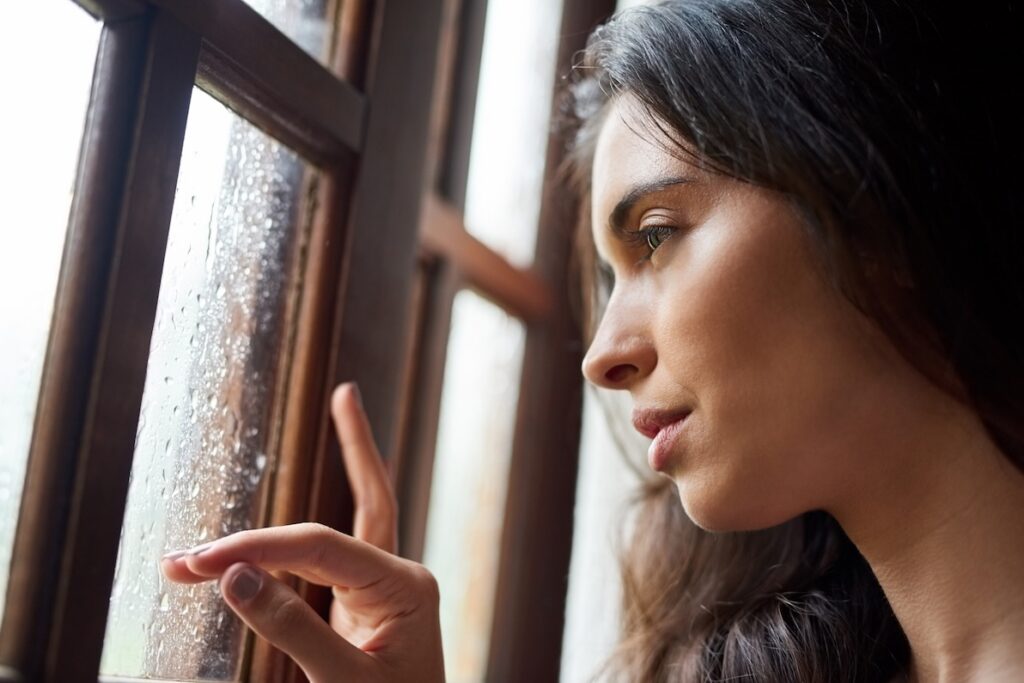
Less daylight can affect sleep and mood, sometimes as part of seasonal affective disorder (SAD), a type of depression that returns during certain seasons.
Winter-pattern SAD may lead to lower energy, sleeping more than usual, or losing interest in activities you enjoy.
Feeling anxious in winter doesn’t automatically mean you have SAD. Stress and anxiety can have many causes. But when mood changes interfere with daily life, Roots of Nature Aesthetic & Wellness offers neurofeedback for anxiety in Lee’s Summit. Our supportive providers help you understand what’s happening and discover options to manage unwanted mood changes.
Where IASIS Fits In
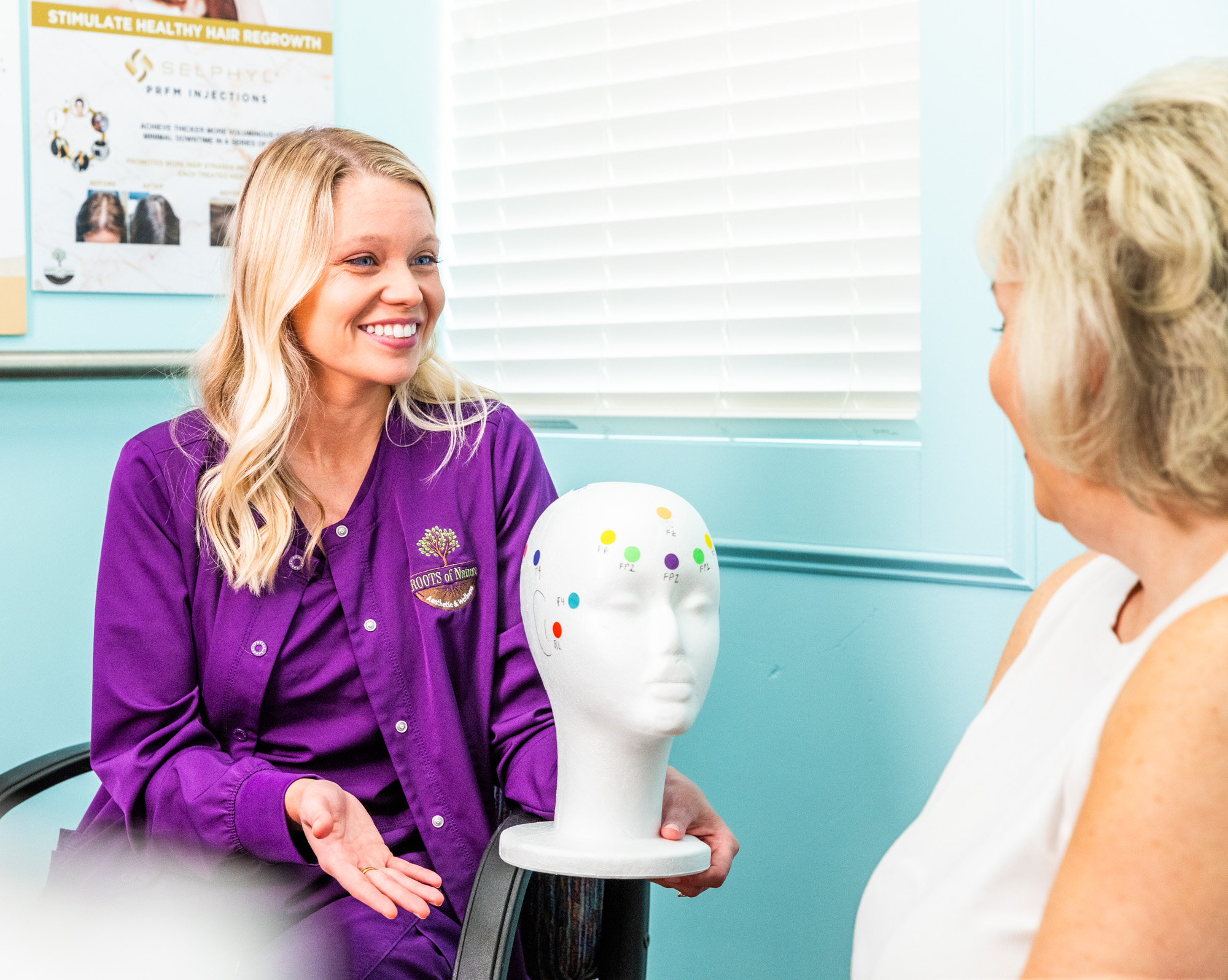
At Roots of Nature, we offer IASIS Microcurrent Neurofeedback as an option for nervous system support. During a session, small sensors read brainwave activity while the platform delivers gentle microcurrent feedback.
You rest quietly, with no exercises to complete. Appointments last about 30 minutes and require no downtime.
IASIS helps many individuals feel calmer, sleep more soundly, and find it easier to focus throughout the day. Some patients also notice improvements in how they manage everyday stress.
Results vary from person-to-person, and our team helps you understand what to expect as you begin your sessions.
Supporting Your Mood Through Winter
If seasonal symptoms significantly affect your well-being, consider an assessment with a qualified mental health professional. Your mental health provider may recommend light therapy, counseling, or medication.
Getting daylight exposure when possible and keeping a steady sleep schedule may also help support your routine.
You can consider IASIS at Roots of Nature alongside appropriate mental health care. We’ll listen to your concerns and talk through whether it suits your wellness goals.
Hear a Patient’s Experience
Curious about other people’s experiences with IASIS? Hear 1 patient’s perspective on receiving care with our team. Personal stories offer insight, though your individual results will vary.
FAQs About Neurofeedback for Anxiety
If you’re curious about how IASIS may enhance your well-being, we’ve answered a few common questions to help you understand your options.
Can neurofeedback help with anxiety?
IASIS may offer supportive wellness care for people managing stress and anxious feelings. We explain the process and help you consider neurofeedback alongside established mental health treatments.
Is seasonal affective disorder the same as anxiety?
No, SAD is a type of depression that follows a seasonal pattern. Anxiety involves ongoing worry or tension. Many people experience both.
If changes in sleep, mood, or energy affect your daily life, seek an assessment to understand your options.
How many IASIS sessions might I need?
Many patients begin with 12 or more IASIS sessions. We’ll discuss your concerns at a consultation and review how you respond as visits continue. Each appointment typically takes around 30 minutes, giving you flexibility to incorporate it into your routine.
Let’s Talk About Your Options
Considering neurofeedback for anxiety in Lee’s Summit? We’d love to hear what’s on your mind and explain what an IASIS consultation involves.